Buy aetoy.com ?
We are moving the project
aetoy.com .
Are you interested in purchasing the domain
aetoy.com ?
domain@kv-gmbh.de · 0541-91531010
Buy aetoy.com ?
Why is the autonomic nervous system also referred to as a separate nervous system?
The autonomic nervous system is referred to as a separate nervous system because it functions independently from the somatic nervous system, which controls voluntary movements. The autonomic nervous system regulates involuntary bodily functions such as heart rate, digestion, and respiratory rate. It is responsible for maintaining homeostasis and responding to internal and external stimuli without conscious effort. This separation allows the autonomic nervous system to carry out its functions without direct control from the conscious mind. **
Is our nervous system our subconscious?
Our nervous system is not the same as our subconscious. The nervous system is a complex network of nerves and cells that transmit signals between different parts of the body, while the subconscious refers to the part of our mind that operates below our conscious awareness. The nervous system plays a role in both conscious and subconscious processes, but they are distinct aspects of our physiology and psychology. **


Similar search terms for Nervous system
Top-Angebote
Products related to Nervous system:


-
What is the vegetative nervous system?
The vegetative nervous system, also known as the autonomic nervous system, is responsible for regulating involuntary bodily functions such as heart rate, digestion, respiratory rate, and blood pressure. It consists of two main divisions: the sympathetic nervous system, which is responsible for the body's "fight or flight" response, and the parasympathetic nervous system, which is responsible for the body's "rest and digest" response. These two divisions work together to maintain the body's internal balance and respond to changes in the external environment. **
-
Which diseases affect the nervous system?
Several diseases can affect the nervous system, including Alzheimer's disease, Parkinson's disease, multiple sclerosis, epilepsy, and stroke. These conditions can cause a range of symptoms, such as memory loss, movement difficulties, sensory disturbances, and cognitive impairment. Treatment for these diseases often involves a combination of medication, therapy, and lifestyle changes to manage symptoms and improve quality of life. **
-
How are biology, stress, nervous system, and hormone system related?
Biology, stress, the nervous system, and the hormone system are all interconnected in the human body. When an individual experiences stress, the brain signals the release of stress hormones such as cortisol from the adrenal glands. These hormones then affect various physiological processes in the body, including the nervous system. Chronic stress can have a negative impact on the nervous system and disrupt the balance of hormones in the body, leading to potential health issues. Therefore, understanding the biological mechanisms of stress and its effects on the nervous and hormone systems is crucial for maintaining overall well-being. **
-
What does the autonomic nervous system do?
The autonomic nervous system controls involuntary bodily functions such as heart rate, digestion, respiratory rate, and blood pressure. It regulates these functions to maintain homeostasis and respond to changes in the internal and external environment. The autonomic nervous system has two main divisions - the sympathetic and parasympathetic nervous systems, which work together to balance and coordinate the body's physiological processes. Overall, the autonomic nervous system plays a crucial role in ensuring the body functions properly without conscious effort. **


How does the autonomic nervous system work?
The autonomic nervous system controls involuntary bodily functions such as heart rate, digestion, and breathing. It is divided into two branches: the sympathetic nervous system, which activates the body's fight-or-flight response in times of stress, and the parasympathetic nervous system, which promotes relaxation and rest. These two branches work in opposition to maintain homeostasis in the body. The autonomic nervous system operates largely unconsciously, responding to signals from the brain and sensory organs to regulate various bodily functions. **
What is the nervous system in biology?
The nervous system is a complex network of nerves and cells that transmit signals between different parts of the body. It is responsible for coordinating and controlling the body's activities, including movement, sensation, and thought. The nervous system is divided into the central nervous system, which includes the brain and spinal cord, and the peripheral nervous system, which includes all the nerves outside of the central nervous system. Overall, the nervous system plays a crucial role in allowing organisms to respond to their environment and maintain homeostasis. **
Top-Angebote
Products related to Nervous system:
-
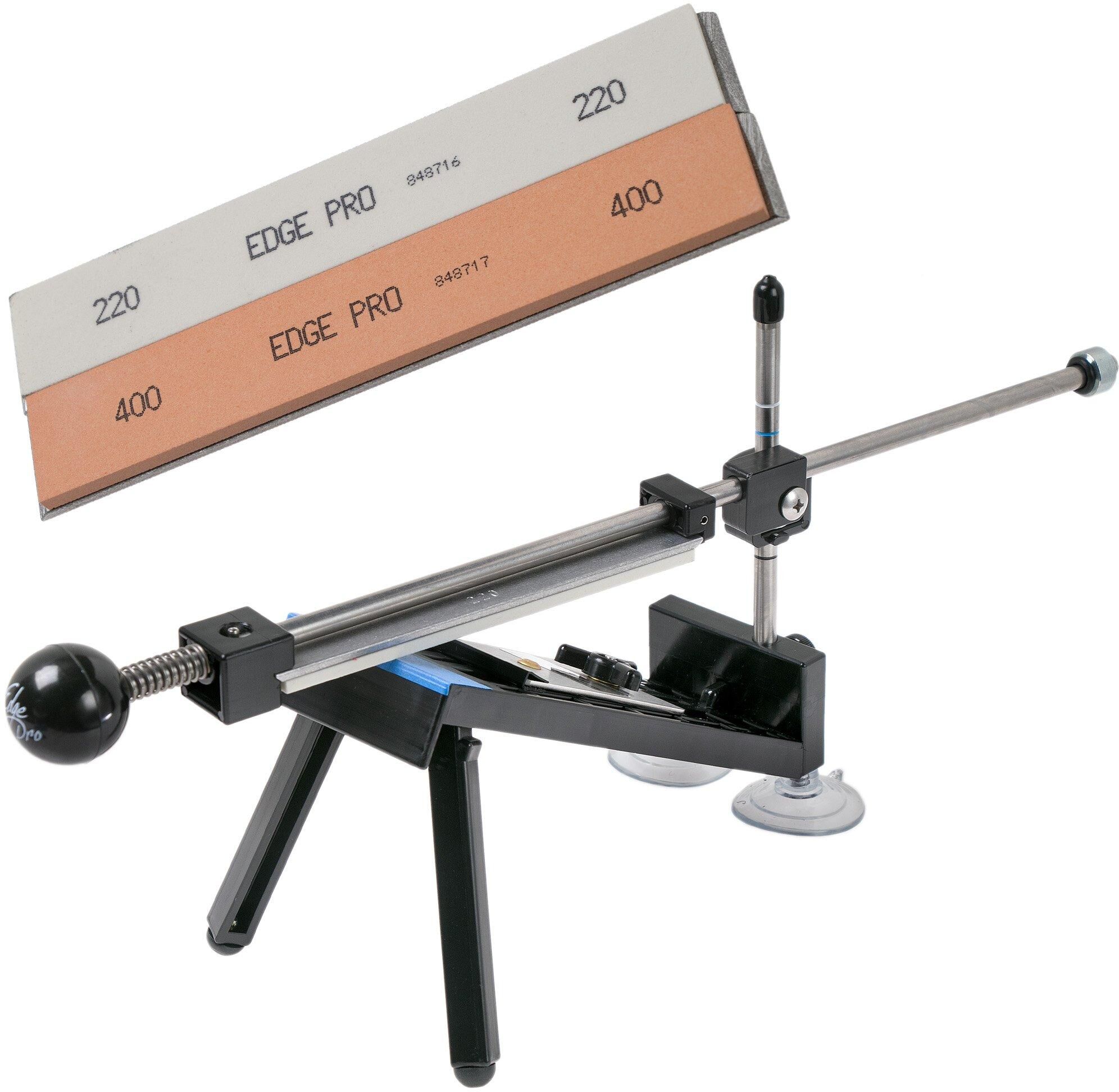
System ostrzący Lansky Finishing Sharpening System LKFINSystem ostrzący Lansky Finishing Sharpening System LKFIN został zaprojektowany do polerowania noży i sprawienia by były ostre jak brzytwa. Dzięki ekstremalnie drobnej ziarnistości system nie nadaje się do ostrzenia tępych noży, ale raczej do zwiększenia ostrości już naostrzonego noża i nadania mu lustrzanego połysku.254,49 PLN*Shipping: 35,00 PLNSecure redirect to the provider
-
Why is the autonomic nervous system also referred to as a separate nervous system?
The autonomic nervous system is referred to as a separate nervous system because it functions independently from the somatic nervous system, which controls voluntary movements. The autonomic nervous system regulates involuntary bodily functions such as heart rate, digestion, and respiratory rate. It is responsible for maintaining homeostasis and responding to internal and external stimuli without conscious effort. This separation allows the autonomic nervous system to carry out its functions without direct control from the conscious mind. **
-
Is our nervous system our subconscious?
Our nervous system is not the same as our subconscious. The nervous system is a complex network of nerves and cells that transmit signals between different parts of the body, while the subconscious refers to the part of our mind that operates below our conscious awareness. The nervous system plays a role in both conscious and subconscious processes, but they are distinct aspects of our physiology and psychology. **
-
What is the vegetative nervous system?
The vegetative nervous system, also known as the autonomic nervous system, is responsible for regulating involuntary bodily functions such as heart rate, digestion, respiratory rate, and blood pressure. It consists of two main divisions: the sympathetic nervous system, which is responsible for the body's "fight or flight" response, and the parasympathetic nervous system, which is responsible for the body's "rest and digest" response. These two divisions work together to maintain the body's internal balance and respond to changes in the external environment. **
-
Which diseases affect the nervous system?
Several diseases can affect the nervous system, including Alzheimer's disease, Parkinson's disease, multiple sclerosis, epilepsy, and stroke. These conditions can cause a range of symptoms, such as memory loss, movement difficulties, sensory disturbances, and cognitive impairment. Treatment for these diseases often involves a combination of medication, therapy, and lifestyle changes to manage symptoms and improve quality of life. **
Similar search terms for Nervous system
-
System ostrzący Wicked Edge Venture WE20System ostrzący Wicked Edge Venture WE20 to poręczny, ręczny system ostrzący, który pozwala łatwo i precyzyjnie naostrzyć nóż – zarówno w terenie, jak i w domu! Dzięki opatentowanej prowadnicy kąta ostrzenia nie musisz się już martwić o jego prawidłowe ustawienie. Wystarczy umieścić ostrze w uchwycie i ostrzyć zawsze pod kątem 20°.210,00 PLN*Shipping: 35,00 PLNSecure redirect to the provider
-
How are biology, stress, nervous system, and hormone system related?
Biology, stress, the nervous system, and the hormone system are all interconnected in the human body. When an individual experiences stress, the brain signals the release of stress hormones such as cortisol from the adrenal glands. These hormones then affect various physiological processes in the body, including the nervous system. Chronic stress can have a negative impact on the nervous system and disrupt the balance of hormones in the body, leading to potential health issues. Therefore, understanding the biological mechanisms of stress and its effects on the nervous and hormone systems is crucial for maintaining overall well-being. **
-
What does the autonomic nervous system do?
The autonomic nervous system controls involuntary bodily functions such as heart rate, digestion, respiratory rate, and blood pressure. It regulates these functions to maintain homeostasis and respond to changes in the internal and external environment. The autonomic nervous system has two main divisions - the sympathetic and parasympathetic nervous systems, which work together to balance and coordinate the body's physiological processes. Overall, the autonomic nervous system plays a crucial role in ensuring the body functions properly without conscious effort. **
-
How does the autonomic nervous system work?
The autonomic nervous system controls involuntary bodily functions such as heart rate, digestion, and breathing. It is divided into two branches: the sympathetic nervous system, which activates the body's fight-or-flight response in times of stress, and the parasympathetic nervous system, which promotes relaxation and rest. These two branches work in opposition to maintain homeostasis in the body. The autonomic nervous system operates largely unconsciously, responding to signals from the brain and sensory organs to regulate various bodily functions. **
-
What is the nervous system in biology?
The nervous system is a complex network of nerves and cells that transmit signals between different parts of the body. It is responsible for coordinating and controlling the body's activities, including movement, sensation, and thought. The nervous system is divided into the central nervous system, which includes the brain and spinal cord, and the peripheral nervous system, which includes all the nerves outside of the central nervous system. Overall, the nervous system plays a crucial role in allowing organisms to respond to their environment and maintain homeostasis. **
* All prices are inclusive of VAT and, if applicable, plus shipping costs. The offer information is based on the details provided by the respective shop and is updated through automated processes. Real-time updates do not occur, so deviations can occur in individual cases. ** Note: Parts of this content were created by AI.